The Hidden Cost of AI is Showing Up in Your Electric Bill
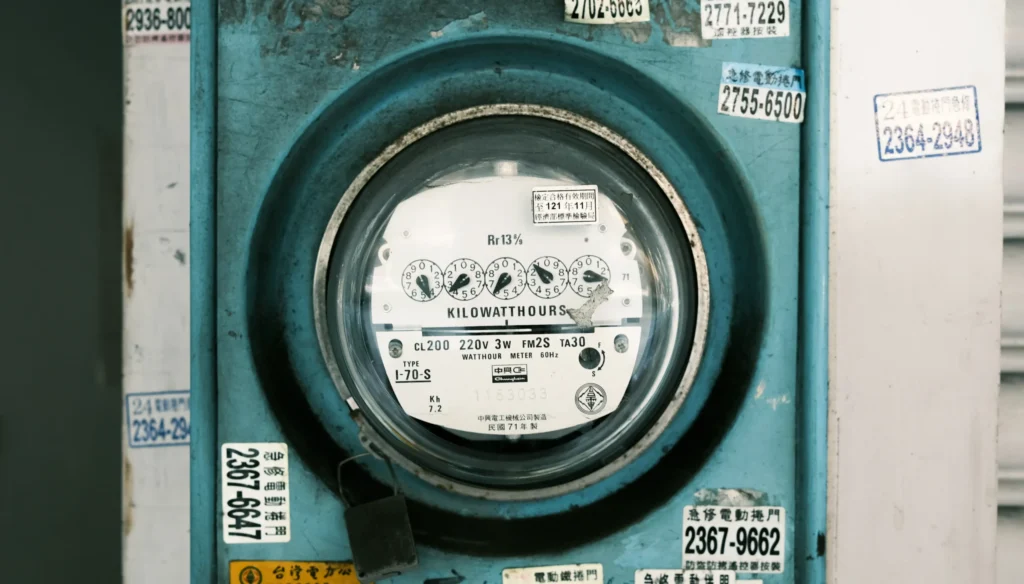
I don’t know about you, but I pay more today for electricity than I ever have before.
And you know what? We’re likely all in line for higher electric rates in the near future.
Why?
Data centers.
The necessary building block for the next wave of artificial intelligence advancements is powered by large installations which consume massive amounts of electricity and water. Because of the amount of electric they devour, the increased demand raises rates nearby.
More of these resource hogs are projected to come on line in the next few years, and some of them are going to be located next to you and me in central Pennsylvania.
Why?
As any good real estate broker will tell you, the answer is always location, location, location.
We Have What Few Others Do
The same advantages we enjoy by nature of where we are and what we look like puts us smack in the crosshairs for developers looking for likely lots to plop down a big data center.
We’re close to the people who want to use the compute housed in the data centers. Philadelphia, New York City, Baltimore, and Washington D.C. are right around the block.
We have significant parcels of undeveloped land with access to high voltage electric transmission lines and water supply. Assume that many of our family farms and forested parcels are on some developer’s short list now.
And, most ominously, we have one massive loophole in our zoning regulations.
The good news, though, is there is a way to close the gap. All it takes is a little initiative and civic participation before it’s too late.
Closing the Loophole
According to Commonwealth statute, if a land use is not classified in an area’s zoning regulations, it is allowed in all districts by special exception. That puts municipalities at a disadvantage, and some of them are taking steps to address it.
Between April 6 and 10, six Pennsylvania municipalites passed regulations determining where and how data centers could be built. In the case of Montgomery Township in Montgomery County, as reported by North Penn Now, its resolution…
…cites longstanding court rulings requiring municipalities to provide for all reasonable uses within their borders, warning that without such provisions, developers could seek court-ordered approval for data center projects without local standards in place….
These moves are an attempt to codify where a data center could be located and under what conditions rather than allowing a developer to file a suit and attempt to build a data center wherever they deemed advantageous.
Effectively, this closes the barn door before the horse gets out. But closing that door will require action if we don’t want electric rates to rise more than they already have.
The rate PPL charges for one kilowatt hour of electricity has increased by 45% in only four years. The PPL supply charge on my April 2022 bill was $0.08941 and the supply charge on my April 2026 bill was $0.12953.
If more data centers are built in our backyard, expect the rates to rise. It’s exactly what happened in Virginia, home to 666 data centers, where rates rose 13% year over year according to this CNBC report.
The time to do something is now.
What You Can Do
There are a few things you can do to get active.
First, find out what is happening in your local municipality. But instead of going to a meeting and banging on the podium, call staff or send an email. Engage out of curiosity and you’ll likely find your questions answered professionally and courteously.
Ask if local zoning ordinances speak to data centers. If they do, ask to be pointed to pertinent sections of the ordinances then read them. If they do not, ask if the municipality plans to address this. And if there’s no plan, and you care about this issue, then go a meeting.
Next, get informed. One free source you can sign up for is a daily and weekly data center update email from STRisker. Click the blue “subscribe” button at the top of the page and confirm your email; simple.
Pay attention to local news reports. This is where I totally missed the ball. I had no idea a lot of activity was taking place in my own back yard in Middlesex and Swatara Townships. The latter is less than five miles from where I’m sitting right now.
Finally, decide where you stand on the entire data center issue. From the state-wide moratorium on data center construction that appears about to become law in Maine to proposals for a national pause on data center construction, this issue is being debated right now.
Where do I stand?
Honestly, I don’t know.
I use AI more than the average person. The technology is transforming my life in ways I didn’t anticipate two years ago.
Building data centers is important because we need more computing power to continue developing generative artificial intelligence. The race for the U.S. to maintain AI supremacy is a national strategic priority.
Building data centers is important because we need more data centers now. There is a real, near term pinchpoint approaching even though some experts believe there isn’t enough power available for what’s planned to be built now.
And don’t get me started about Three Mile Island coming back online.
Higher electric rates and quality of life issues are real concerns. Nobody is making more land. Once a farm or a field is developed, it’s almost impossible to restore what was lost.
So I’m going to educate myself. Learn as much as I can. Write more about it. Talk to smart people.
And I’ve registered to attend the Cumberland County Data Center Information Session on April 29, 2026. Looks like an excellent agenda with quality sessions.
The only certainty is that we’re going to be talking about data centers for months, if not years to come. So inform yourself and then get active.



0 Comments